

Table Of Contents
Live Casino Tables Bring Authentic Thrills Home
It’s a strange sort of thing to feel your pulse quicken when you’re sitting at home, looking at a dealer through your screen. Yet, live casino tables have managed to do exactly that. Where a few years ago clicking a mouse on a 2D slot would have felt distant, maybe even antiseptic, today’s streaming tables have brought an unmistakable humanity back into the world of online gambling. Players talk to dealers, they laugh, they read the quick chats, they share tiny fragments of life. It’s not the same as being in a crowded casino, no, but it’s not far either. And with platforms like chickenroadgameapp.com weaving together user-friendly login steps, quick payments, and access to an array of live blackjack and roulette tables, that atmosphere has never been easier to reach from your sofa.
I think what keeps surprising many of us is how quickly the boundaries have blurred. Not so long ago, you’d have to drive, queue, sit at a table, and maybe feel a little shy. Now, it only takes a device, some curiosity, and perhaps a cup of coffee. The sight of a dealer shuffling cards, the glint from the roulette wheel—it’s familiar but modern, quiet but alive.
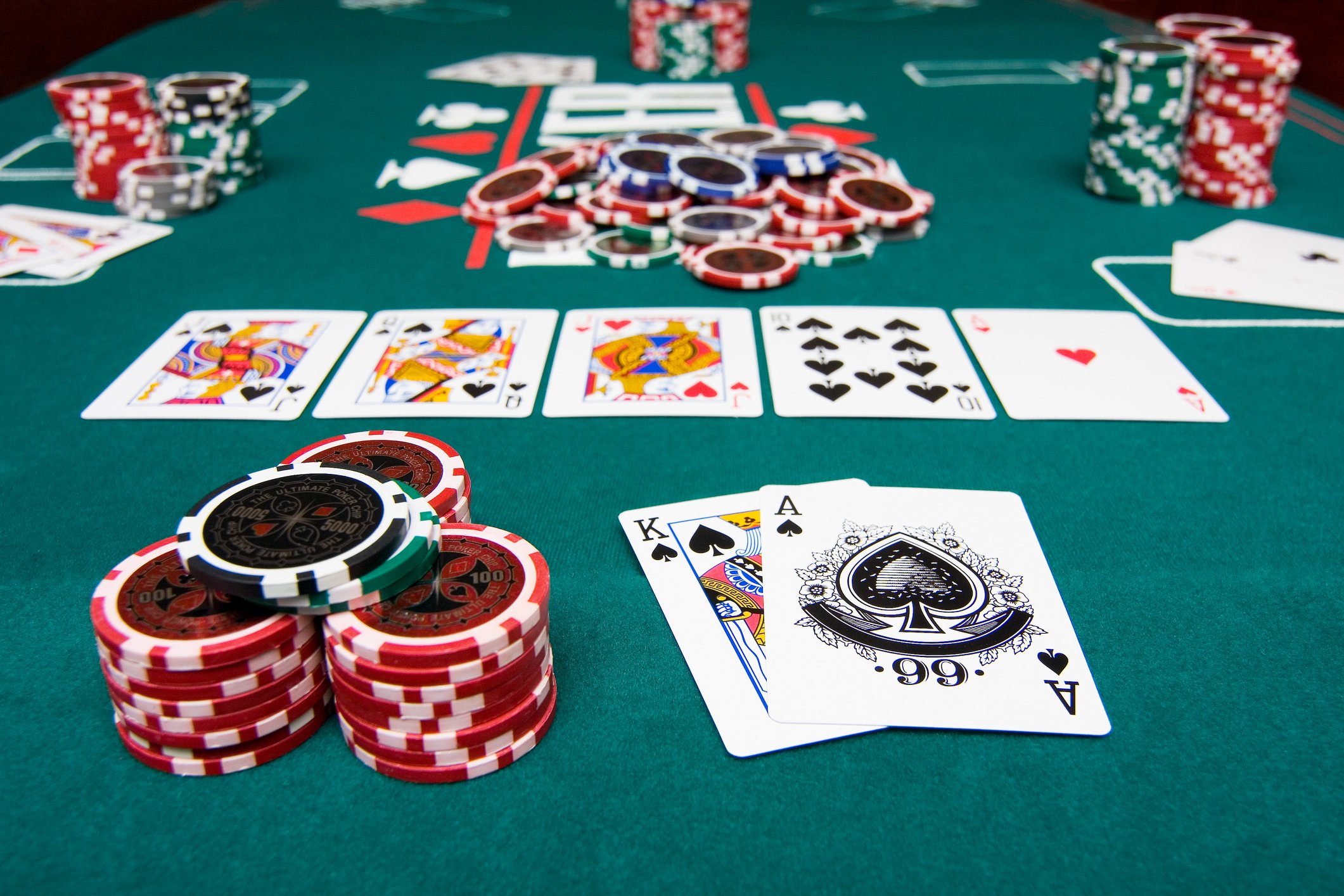
The Heart Of Realism: Technology Behind The Thrill
Live casino platforms rely on meticulous synchronization of hardware and software. High-resolution cameras stream every move in real-time, usually in 4K, and with an almost cinematic depth. More importantly, Optical Character Recognition software translates gestures, spins, or card draws into readable data instantly, keeping the experience fast and transparent.
Yet there is more than just code in it. The elegance lies in subtle things like the shuffle noise being perfectly timed, or the dealer looking straight into the camera so that you almost feel they are looking at you. It’s a kind of design that respects emotions as much as it respects algorithms. Players respond to that, consciously or not.
Streaming Precision And Human Touch
Sometimes I like to think that technology here is like a stagehand at a theater performance: essential, invisible, and perfectly timing the spotlights. Live casino developers go through enormous testing phases to ensure no lag distracts players. Even a half-second delay can break immersion. That’s how sharp the line between real and virtual has become. A dealer’s laugh that reaches you exactly when it should — that’s what feels real, and oddly comforting.
There’s also an element of human connection coded into the technical framework. Many platforms now include language options, cultural nuances in greetings, even gesture recognition experiments. Strike the balance right, and the fiction of distance disappears.
Bonuses And Promotions That Enrich The Play
Although high-definition video and ambiance are key ingredients, it would be naïve to think that atmosphere alone makes a live casino thrive. Bonuses remain one of the pillars of online engagement. It’s almost a ritual, claiming that welcome reward, grabbing a deposit offer, or spinning on the house for the first time. It’s less about greed, more about possibility.
Most reputable platforms maintain an elegant equilibrium between exciting offers and transparent conditions. The good ones don’t lure you with impossible promises. They structure rewards thoughtfully, invite steady engagement, and most importantly, allow flexible withdrawal methods through bank transfers, e-wallets, and cryptos.
How Rewards Influence Interaction
Bonuses change player rhythm. A cautious person might become adventurous under the safety of extra chips. A regular might stay longer, conversing with the dealer, joking with others. That extended presence creates a pattern of interaction. It’s an emotional economy as much as a financial one. And when real and virtual combine through a live table, that kind of continuity becomes gold.

The Player Experience: At The Center Of Attention
If you’ve ever played on one of these tables, you probably remember a very specific feeling — that gentle delay before a card is revealed, or the rhythm of chips being arranged. Even though you know the dealer is hundreds of miles away, it doesn’t matter anymore. I’m not even sure if it’s about illusion; maybe it’s about focus. Playing live casino is immersive because all your senses lean in at once — sight, sound, expectation.
Some platforms let you customize camera angles or switch between multiple rooms. Others even allow chat-style interactions where you can ask about local weather or favorite sports. And yes, occasionally, there’s an awkward silence or a connection hiccup, reminding you that perfection doesn’t exist. But those imperfections almost make the experience more human, don’t they?
Personal Perception And Engagement
I remember when I first tried live baccarat. I wasn’t confident, I hovered for a while, watching others play. The dealer greeted me, said something casual — “take your time.” That moment created an instant shift. Suddenly I felt invited, not pressured. That small courtesy turned pixels into people.
Most successful platforms seem to understand that behind every numbered balance is a real rhythm of feelings. They design their environments to honor that fact, adding gentle animations, softer colors, even environmental sound layers that imitate casino chatter faintly in the background. The goal isn’t distraction — it’s resonance.
You can hover over certain icons to discover extra facts too. For instance, OCR helps ensure correctness down to every draw. Small details, invisible to most, but essential for trust.
Future Of Live Casino Entertainment
Looking forward, the live casino landscape points toward integration with augmented and virtual realities. Some prototypes are already testing 3D avatars, where eye contact actually adjusts as you tilt your head. That could sound excessive now, but five years ago, people said the same about live streaming itself. Trends in gambling often follow human curiosity — we want real experiences even when they are digital.
Perhaps the next wave will merge physical and online spaces using spatial audio and tactile feedback. Maybe even a hybrid model where physical casinos and online rooms coexist seamlessly, bridging audiences from different corners of the world in one shared game. However it unfolds, the lesson so far is clear: the line between reality and simulation keeps softening, and that mixture is becoming the new normal.
